For many of us, having friends and individuals we can rely on is important – but rarely do we stop and consider why it matters or ask, "why do they mean so much?"
Friendship is one of the simplest and most meaningful ways we experience human connection. Whether they’re the people we text out of the blue or turn to when life feels heavy, friends can shape our sense of self and belonging in powerful ways.
It’s also true that adult friendship can feel a little complicated. Busy schedules, responsibilities and everyday stress can make it harder to meet new people or stay close to the ones we already care about. Still, meaningful friendships don’t have to look perfect or develop instantly. Friendship – and meaningful human connection – can grow through small moments, steady effort and a little openness along the way.
Why is friendship so important for human connection
Friendship is a vital part of human connection because it supports well-being in everyday life, not just during big milestone moments.
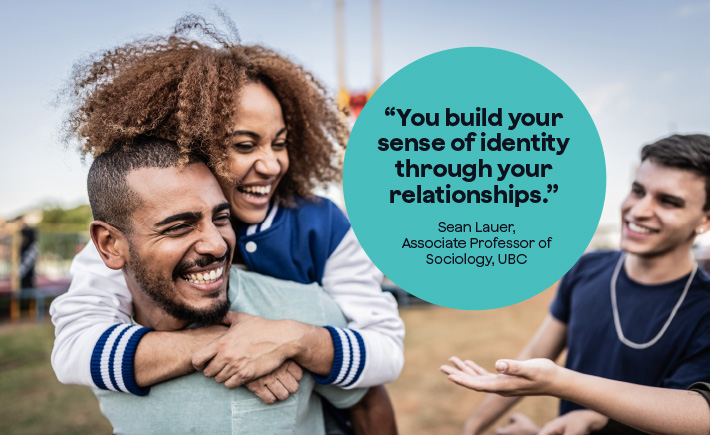
“You build your sense of identity through your relationships,” says Sean Lauer, a University of British Columbia professor whose focus areas include the sociology of friendships. That means our friendships are inherently tied to our feelings of belonging.
They also become important when life gets hard. “In a crisis, while it’s nice to have companionship, you also need people to help you out in some way,” Sean says. "Even when you don’t need practical help, knowing you’re not facing life alone matters."
Statistics Canada data on friendship reflects that making and keeping friends is a common challenge these days. Back in 1986, about half of Canadians reported seeing their friends on an average day. A few decades later, that fell to only about one in five. Women and working-age adults appear to feel that loss the most.
And people are worried about it, too. As of 2022, nearly half of Canadians reported being concerned about not spending enough time with friends or family.
However, Sean also suggests people drop the pressure on themselves, including the idea that a “real” friendship must look one specific way.
“There’s all variety of friendships,” he says. "Fun friends, hobby friends, long-time friends, and close confidants can all support your social needs in different ways. And if you’re introverted, or simply maxed out, even if you have a few friends or even if you just have one friend, it’s okay.”
Why it gets harder to keep friends as an adult
Simply put, adulthood and the responsibilities that come with it take up time. “There really are limitations on how much time and other kinds of resources we have for making and maintaining friendships,” Sean says.
Work intensity, caregiving, commuting, and cost-of-living pressure can all shrink our time and energy. And when it’s hard to even see the friends you already have, making new ones can feel like a stretch.
Technology can help, shares Sean. "That super active group chat? It has benefits, even if you don’t see those people face-to-face all the time. Low-effort acts can still build human connection, including ones that feel old school. Phone calls really contribute to the well-being that people feel,” he says.
Still, Sean recommends thinking about how your different types of friendships all work together. “If you look at all those interactions as a portfolio of how you interact with your friends, the key is balance.”
So, while making friends as an adult isn’t easy, it’s possible. "If you take the pressure off and aim for brief but repeatable connections, friendship has space to form naturally. Start small, be consistent and watch the connections grow."
Learn more about BCLC’s social purpose and the BCLC Human Connection Project.