Most days, my world revolves around systems, strategy and data. As BCLC’s Chief Information Officer and Vice President, Business Technology, I’m passionate about how technology can be leveraged for good – like creating better, more customized player experiences and supporting safer play. I’m interested in how we can learn from our players to generate systems that are both proactive about and responsive to their needs. We’ve been working hard to personalize the player health experience on BCLC’s online gambling platform, PlayNow.com, to support our vision of having players who demonstrate the safest gambling behaviours.
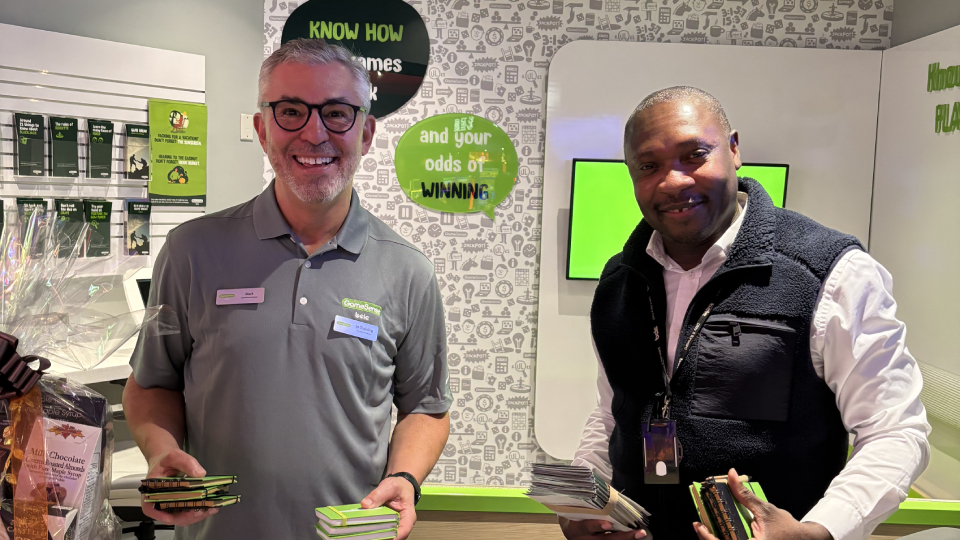
And then Dan Beebe and Marie-Noelle Savoie tapped me on the shoulder to gain a new perspective on this work. So, I followed their lead: I stepped away from dashboards and algorithms to spend an evening on the casino floor as a GameSense Advisor.
Why? Because I recognize that there’s one thing technology can’t fully replicate, and that’s something truly human. I knew there was information to be gleaned from the people who know our players best. After all, our GameSense Advisors are masters of human connection.
For a few hours that night, my focus shifted from architecture and analytics to conversations and connection. I saw firsthand how relational these roles are as I greeted players, answered questions and even participated in a mock Game Break enrollment. GameSense Advisors provide the most value to the player because they are approachable, knowledgeable and, most of all, friendly – by being someone they can talk to, without stigma or pressure, when they’re up, down or in-between.
I also saw what GameSense Advisors aren’t: they aren’t admonishing, scolding or judging in any way. They aren’t just sharing information; they’re building trust in real time. For them, every interaction matters, and every conversation is unique. They know that the way we support players must be flexible, empathetic and human-centered. That’s something no system can automate. Technology can enhance these moments, but it should never replace them.
This experience was a reminder that player health isn’t just about programs or platforms – it’s about people. It reinforced in me that innovation isn’t only about what we build, it’s about how we connect. All the work we do behind the scenes only makes a difference when it genuinely supports people on the ground. And that’s something I’ll carry forward in every decision we make about technology and player health. Because, at the end of the day, systems and data matter – but people matter most.