Think back to your last small act of kindness for someone else. Maybe you held open a door, donated at the checkout, or helped out at a fundraiser.
For many of us, feeling “useful” in those moments is just the start.
How does giving back build human connection?
Even small moments of giving help us feel more connected to others. That benefits both our own wellbeing and the health of our communities.
Social connection researchers call this “prosocial behaviour” – doing something that benefits another person or your community. In simple terms, acts like volunteering, fundraising, or dropping off groceries at the food bank create bridges between people that can grow into friendships, support networks for times of crisis and even safer neighbourhoods.
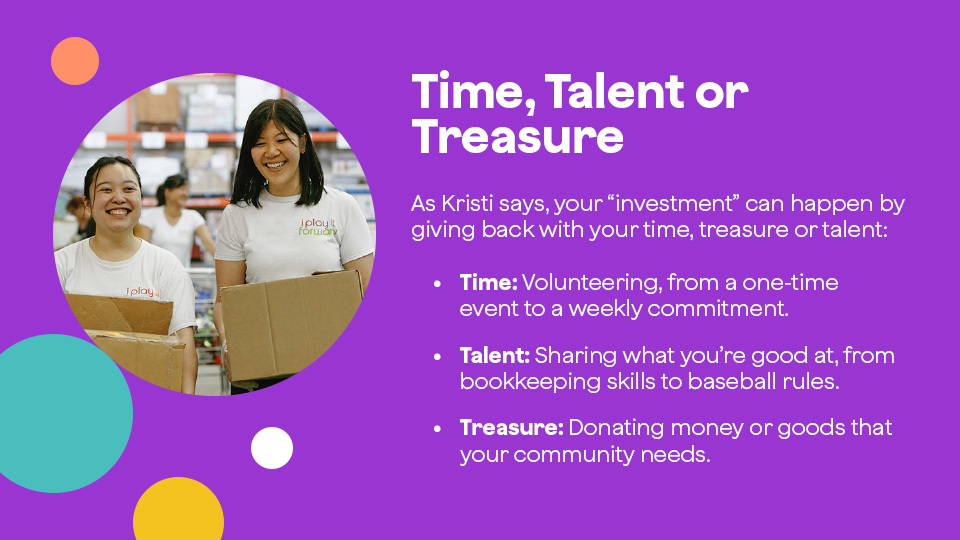
For Kristi Rintoul, Senior Director of Community Impact and Investment at United Way BC, the word that comes to mind is “investment,” and not only in terms of money.
“When we invest our time, talent or treasure, there’s an automatic connection because you care,” she says. “Buying a coffee for someone or bringing socks to a school clothing drive – those small investments create connection, too. The more you invest, the more opportunities there are for connection.”
British Columbians are no strangers to giving back by volunteering their time. More than 40 per cent of people in the province volunteer, collectively giving 269 million hours to their communities every single year, Volunteer BC estimates. That’s on par with 60,000 full-time jobs.
And across Canada, three in four people (73 per cent) volunteered in 2023, when Statistics Canada published the latest Survey on Giving, Volunteering and Participating. Despite a decline during the pandemic years, formal and informal volunteering across Canada still accounted for about 4.1 billion hours.
Community events and volunteering create human connection
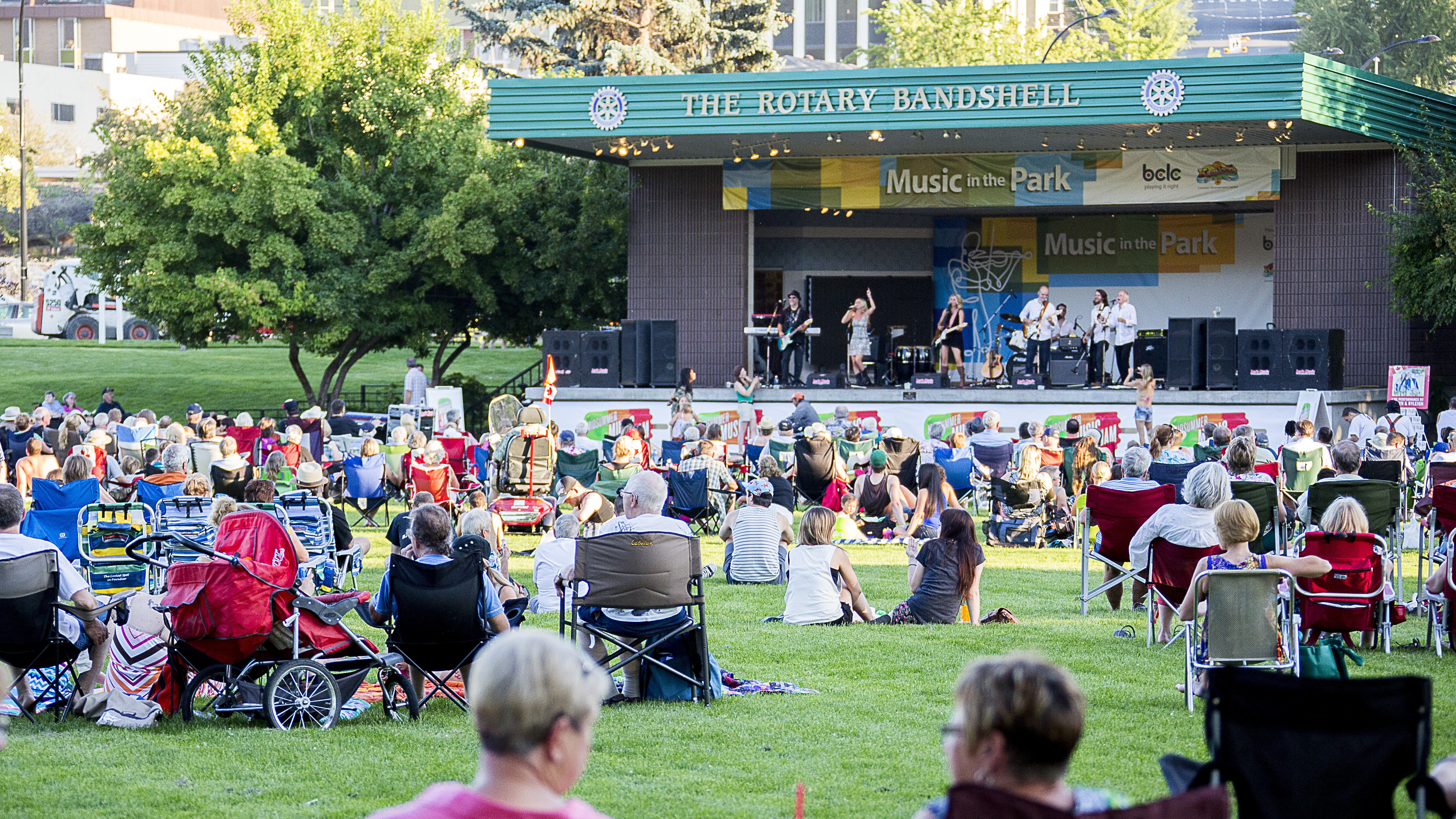
You can see people investing their time at community events across British Columbia. In Kamloops for example, United Way BC and BCLC set up a “connection corner,” a simple space with games, conversation starters and a stack of free postcards.
“People could sit down and write a message of care or connection to someone they hadn’t talked to in a while,” Kristi explains. “Then, we mailed them on their behalf. It was this small, unexpected way to help people say, ‘I’m thinking of you.’”
A few pens, a stack of cards, and a reason to pause were enough to turn a simple outing into a chance to reconnect with others, both near and far. Social connection experts say these kinds of prosocial acts lift our mood and change how we see ourselves.
“Random acts of kindness have all these psychological benefits,” says social epidemiologist Dr. Kiffer Card. “You see someone else benefit, which tells you that you’re a good person, which makes you believe other people will see you as a good person. It reinforces that you belong.”
That’s one reason volunteering is such a powerful connector: everyone in the room decided to be there.
“The beauty of volunteering is that you choose where you go and how involved you get,” Kristi says. “You’re with other people who also chose to show up. The incentive isn’t a paycheque, it’s the chance to help and connect.”
That changes the atmosphere the second you walk in. You’re welcomed as someone who’s already contributing and people are grateful you’re there. “That feeling of being accepted and appreciated is a big part of why people keep coming back,” Kristi adds.
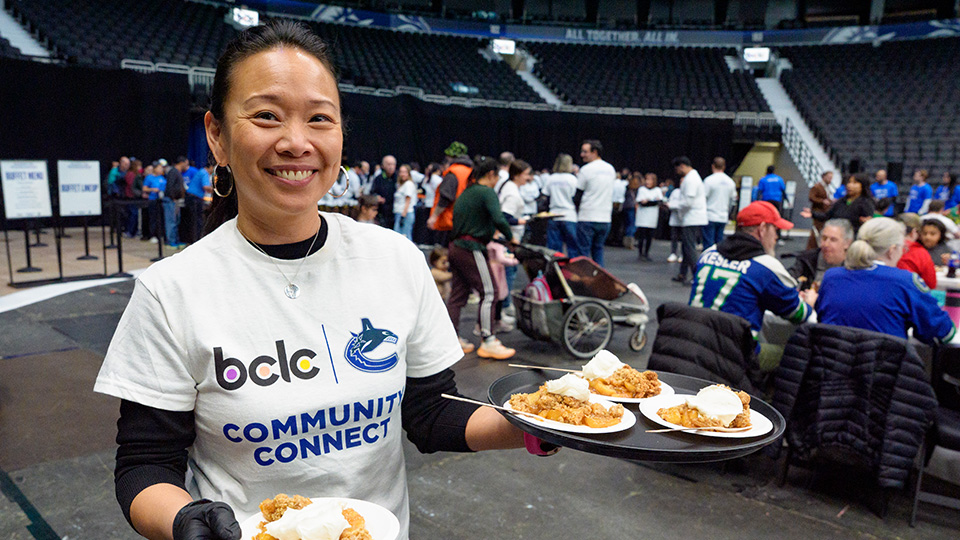
Why giving back is good for community health
Acts of giving also ripple outward. When people volunteer with food banks, seniors’ programs or neighbourhood initiatives, they’re often filling immediate gaps but also building the informal networks that keep people from falling into crisis, including social isolation and other challenges that impact the health of the whole community.
Public health expert and family doctor Dr. Sandra Allison sees giving back and social connection as key ingredients in a healthy community. “We talk a lot about physical and mental health,” she says. “But social health is just as important. Social connection is a protective factor that reduces depression and anxiety and even the risk of chronic disease.”
It’s why initiatives like United Way BC’s Hi Neighbour program exist. Its Local Love Microgrants give residents small amounts of funding and support to turn ideas into ongoing community building projects (and new reasons to connect).
And even if you’re not an organizer, simply attending community events is enough to have an impact. “If someone in your neighbourhood is hosting a gathering, show up,” Kristi says. “It might push you outside your comfort zone and you can always leave, but chances are you’ll be glad you went.”
Learn more about BCLC’s social purpose and the BCLC Human Connection Project.