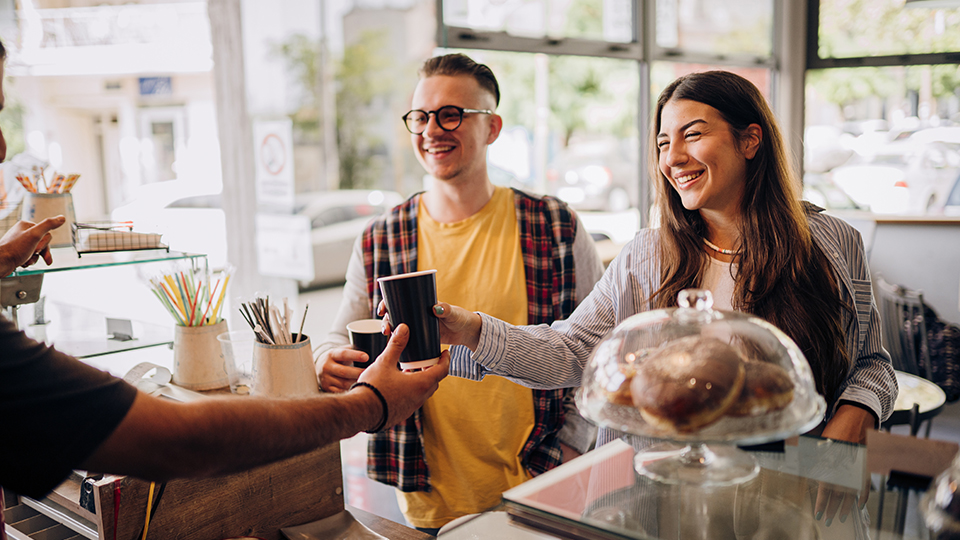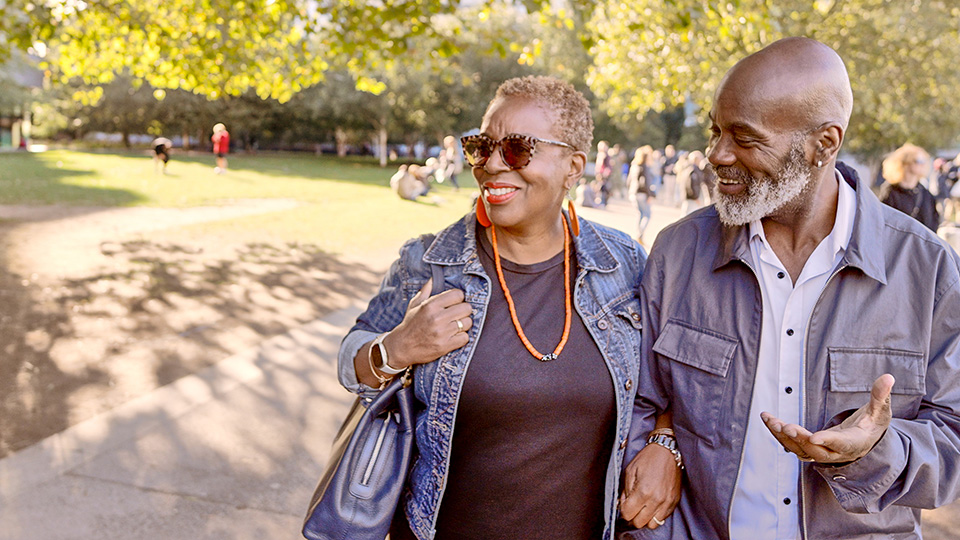
Picture this: it’s a gorgeous Saturday morning. Cyclists and strollers are sharing a park path while dog leashes get tangled as owners (and pets) pause to greet each other. At the library across the street, story-time spills into the hallway. The café next door hums with conversation from old friends catching up and new ones meeting for the first time.
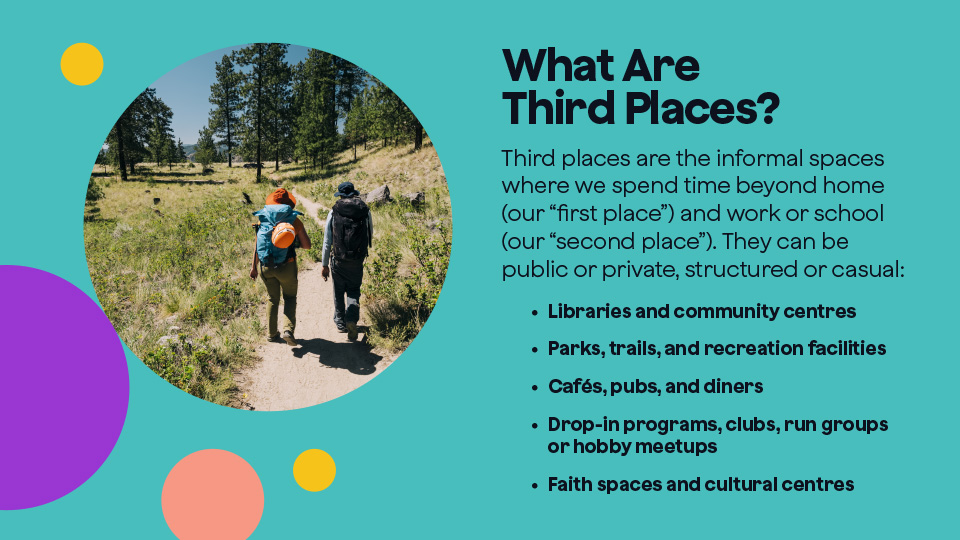
Each one of these locations is a “third place.” An everyday space that isn’t home or work, but something in between. They’re where we hang out, and where we can be our authentic selves while connecting with others and community.
“Third places act as anchors for how we think about our community, says Dr. Kiffer Card, a professor at Simon Fraser University and Director of Research at GenWell. “Those social interactions [in third places], no matter how small, help shape your worldview. They tell your brain: you belong here, you can trust people around you. That opens the door to deeper relationships.”
And especially in an era when much of our free time is spent online, these third places are more important than ever for helping us build much-needed human connection.
Why third places matter for human connection
For Kiffer, finding and experiencing third places should be a priority of modern life. “For most of human history, living alone was almost non-existent,” he says. “Now we have record numbers of single person households. That makes public gathering spaces even more critical.”
They also matter to our well-being. “We don’t worry enough about social health,” says Dr. Sandra Allison, a family doctor and public health specialist, including as the former Chief Medical Health Officer at Northern Health. “Health isn’t just physical and mental – the World Health Organization talks about ‘a complete state of physical, mental and social well-being.”
One survey from YMCA Canada echoes that concern, with 60% of Canadians saying they feel disconnected from their communities. Third places, then, act as both prevention and remedy.
They foster human connection and in turn, support and sustain social health. That’s especially the case for vulnerable or marginalized people who might be at more risk of social isolation, have more barriers to accessing resources in their communities or might otherwise have a harder time finding a sense of belonging.
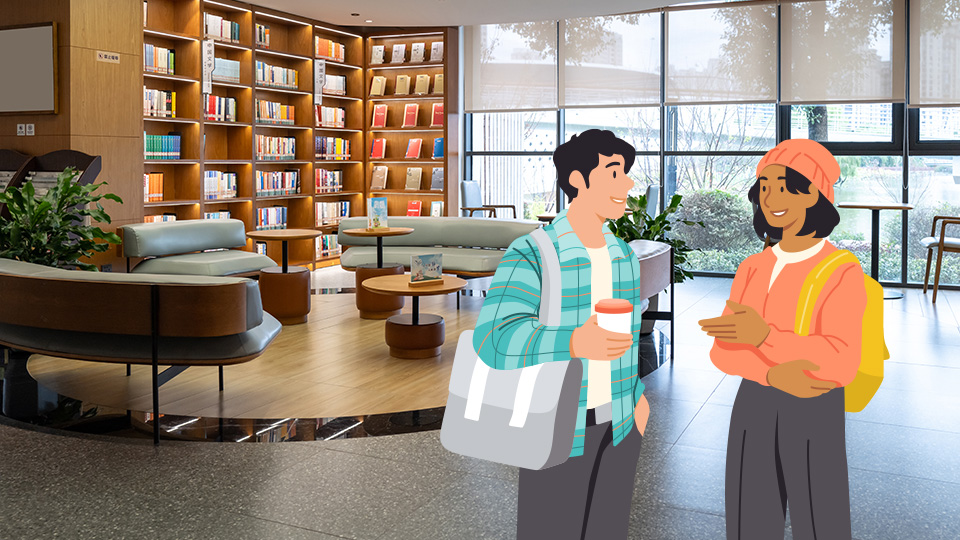
Why aren’t there more third places?
Third places can be hard to come by. Rising costs and shrinking public space make it harder for cafés, community venues and even some recreation spaces to survive.
That YMCA Canada survey found 36% of people don’t have a third space at all and 65 per cent said they wished there were more third places available in their community. Plus, in-person activities that build human connection have to compete with entertainment on screens that fit in our pockets.
For Sandra, this all sparks an important question. “Who is responsible for social health? It’s everyone’s job, and that means it’s easy for no one to own.”
Finding and creating third places
However, it also means an opportunity for partnerships, collaboration and innovation. In practice it looks like municipalities, libraries, parks departments, health systems, nonprofits, local businesses and ordinary residents working together.
And at the root of it, anyone can create a new go-to third place. “Most successful initiatives are simply a coalition of the willing,” Kiffer says. “One person says, ‘I’ll organise a run, or a cooking night, or a boardgame club.’ Others show up. That’s how communities are made.”
Despite challenges, the demand for strong, connected communities is clear. Across B.C., municipalities have thriving recreation programs and busy parks. Community events, markets and festivals frequently draw crowds. When the opportunity to connect is there, and feels welcoming, people show up.
For Kiffer, it’s because humans are wired for it. “Fundamentally, social connection is who we are.”
Learn more about BCLC’s social purpose and the BCLC Human Connection Project.